


















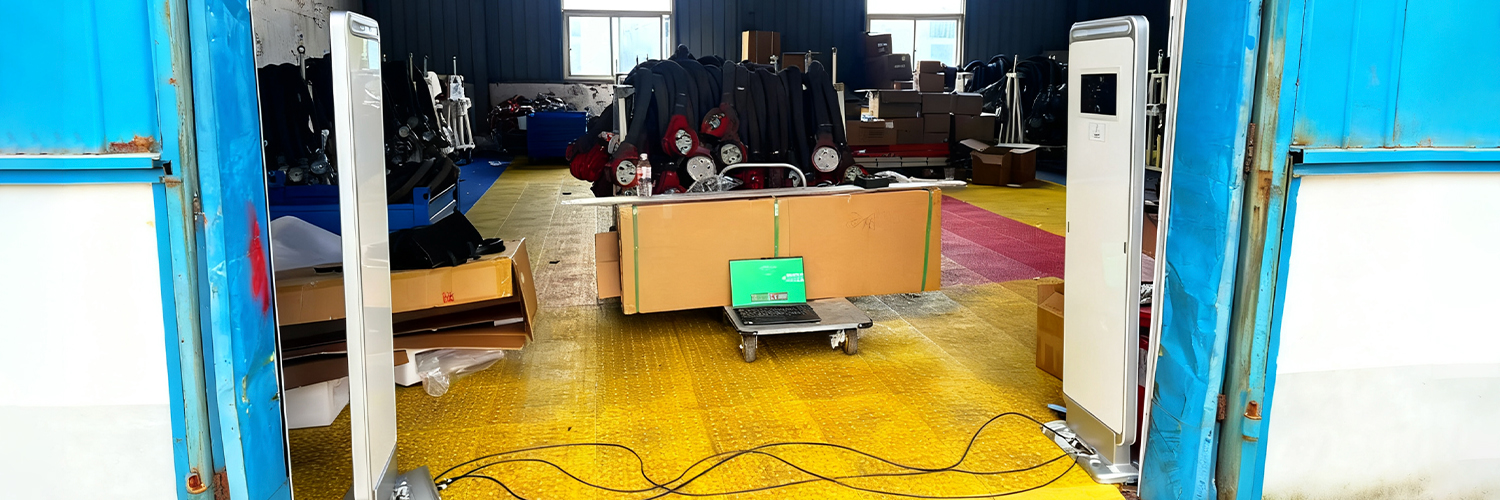









Warehouses are under increasing pressure to manage inventory accurately, reduce labor costs, and improve operational efficiency. Traditional barcode systems often struggle to keep up with the scale and speed required by modern supply chains.
An RFID warehouse management system provides a powerful solution. By using RFID tags, readers, and specialized software, companies can automate inventory tracking and gain real-time visibility into warehouse operations.
In this guide, we explore how RFID technology works in warehouses, the benefits it brings, and how companies can implement an RFID inventory management system successfully.
What Is an RFID Warehouse Management System
An RFID warehouse management system (RFID WMS) is a technology solution that uses radio frequency identification to automatically track inventory, pallets, and assets within a warehouse.
Unlike barcodes, RFID does not require line-of-sight scanning. Multiple items can be identified simultaneously using radio waves.
A typical RFID warehouse system enables businesses to:
- Track inventory movement in real time
- Automate receiving and shipping processes
- Improve stock accuracy
- Reduce manual scanning
In large distribution centers where thousands of items move daily, RFID warehouse inventory management helps eliminate human error and provides reliable data for decision making.
As supply chains become increasingly digital, RFID has become a critical technology for warehouse automation.
How RFID Works in Warehouse Inventory Management

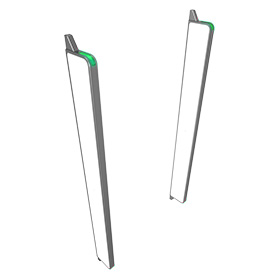
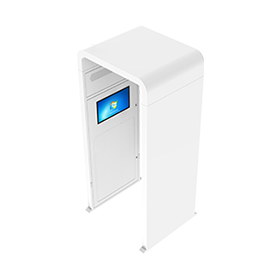
RFID warehouse system architecture diagram
An RFID inventory tracking system works by attaching RFID tags to items, pallets, or containers.
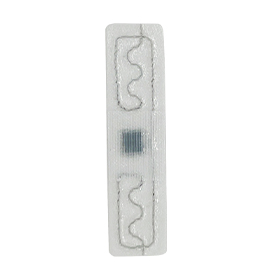
Each tag contains a small microchip that stores a unique ID. RFID readers detect these tags through radio signals and send the data to the warehouse management system.
The process typically works as follows:
1. Tagging inventory
Products, cartons, or pallets are labeled with RFID tags.
2. Reading the tags
RFID readers installed at warehouse gates or handheld devices scan multiple tags simultaneously.
3. Data processing
The RFID inventory management software processes the collected data.
4. Real-time visibility
Warehouse managers can monitor inventory movement instantly.
Because RFID scanning does not require manual handling, warehouses can significantly accelerate operations while improving accuracy.
Key Components of an RFID Warehouse Tracking System
A fully functional RFID warehouse tracking system consists of several integrated components.
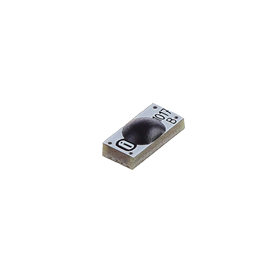
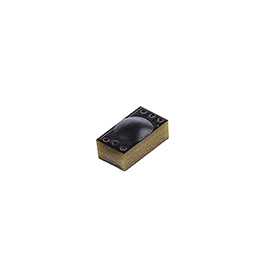
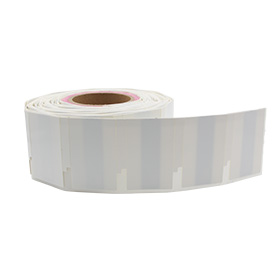
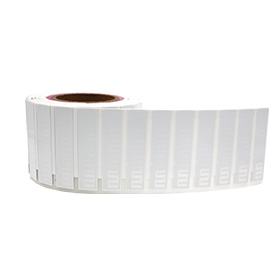
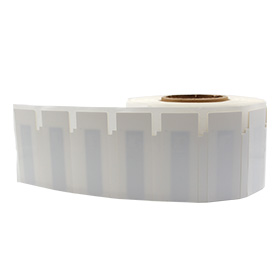
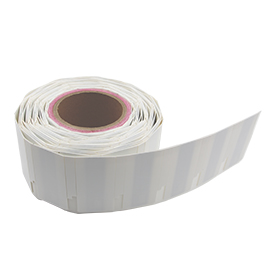
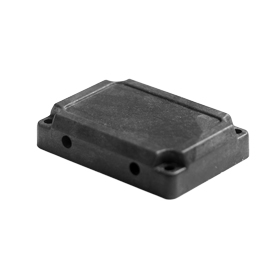
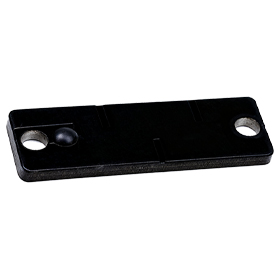
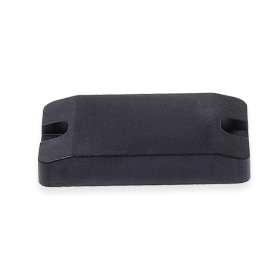
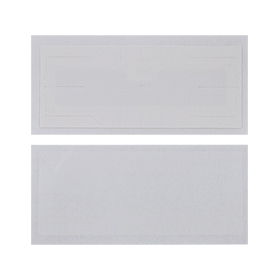
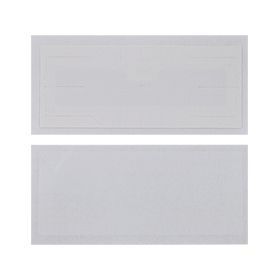
RFID Tags for Inventory Tracking
RFID tags store product or asset information and are attached directly to inventory.
Common types include:
- passive UHF tags
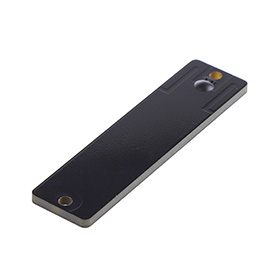
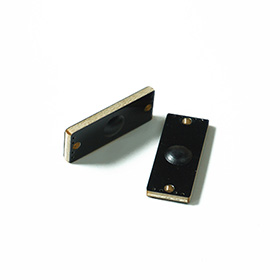
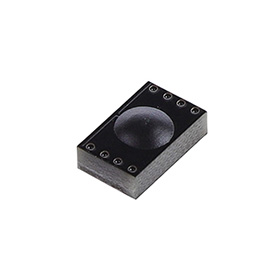
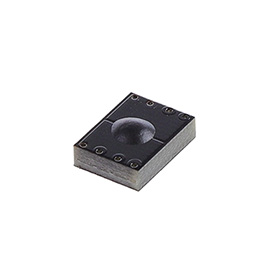
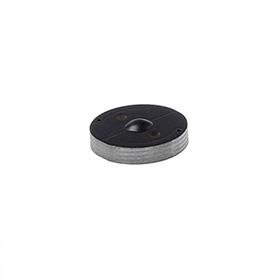
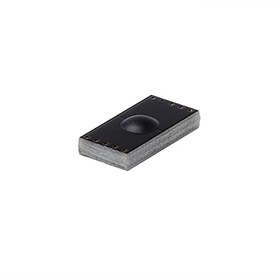
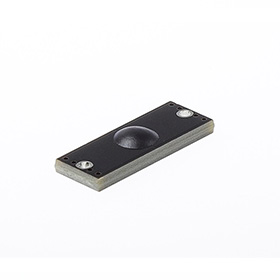
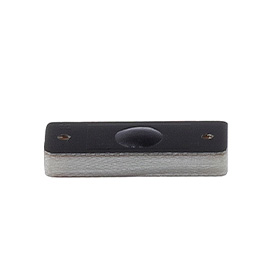
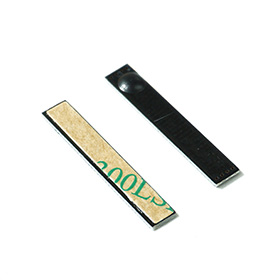
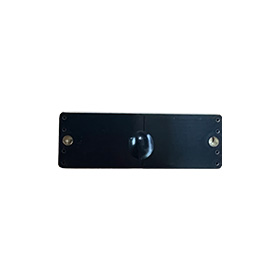
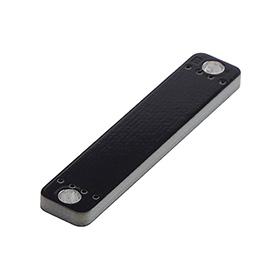
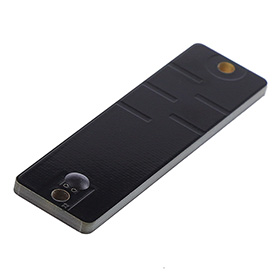
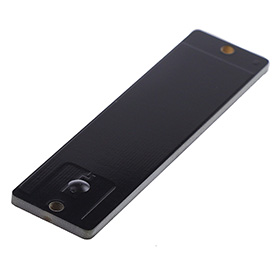
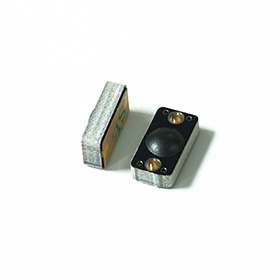
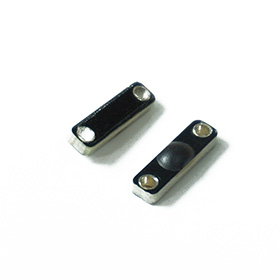
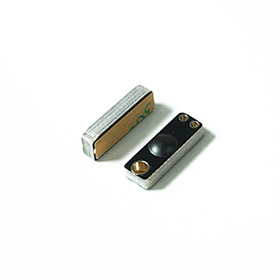
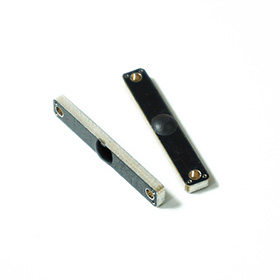
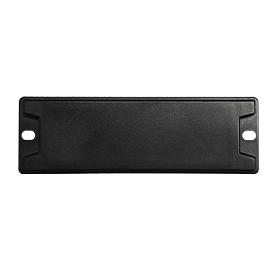
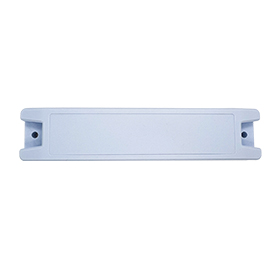
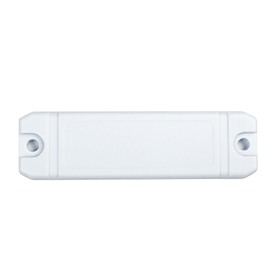
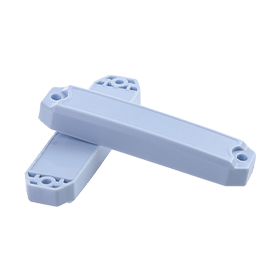
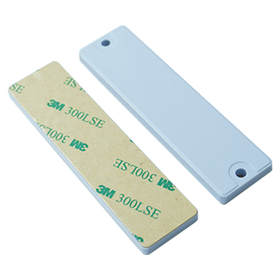
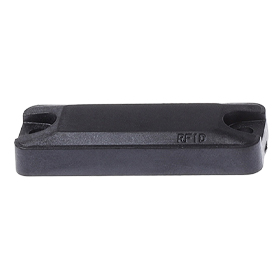
- on-metal RFID tags
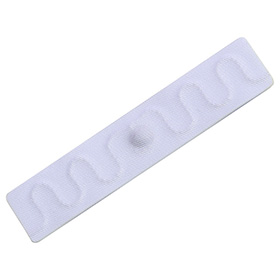
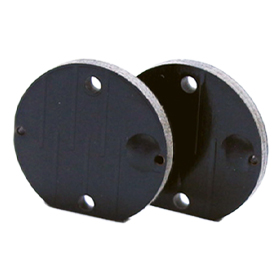
- pallet RFID tags
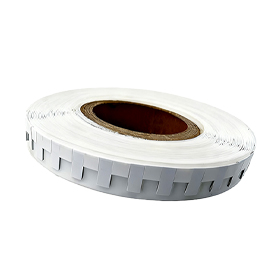
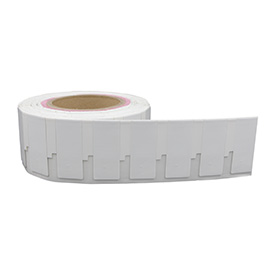
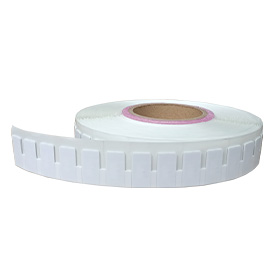
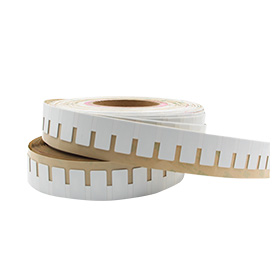
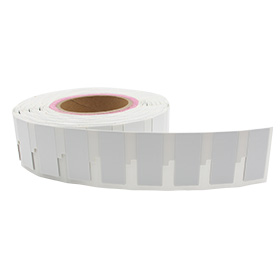
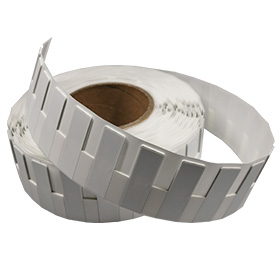
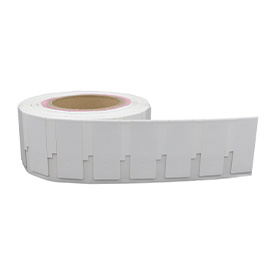
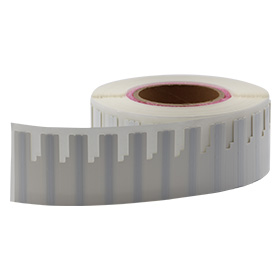
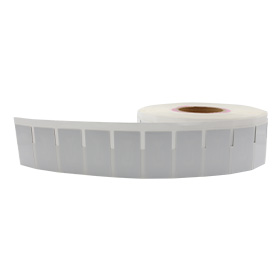
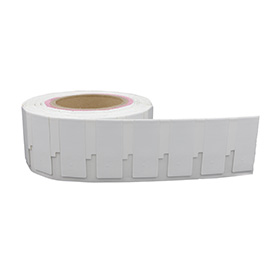
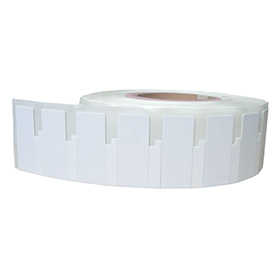
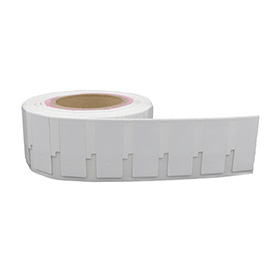
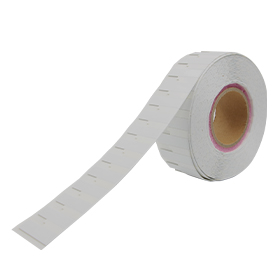
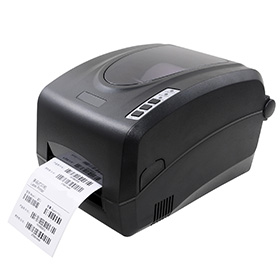
- printable labels
For warehouses with metal shelves or equipment, specialized on-metal RFID tags are required to prevent signal interference.
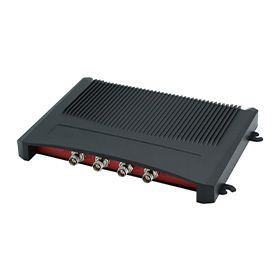
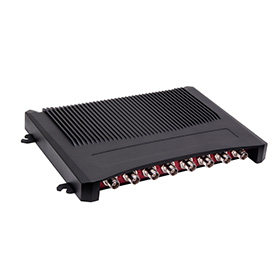
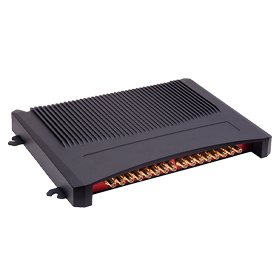
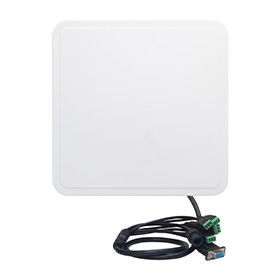
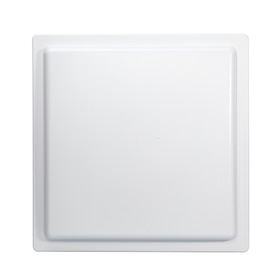
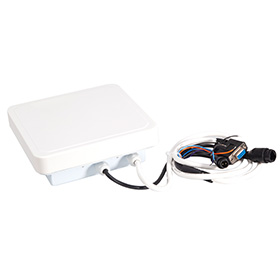
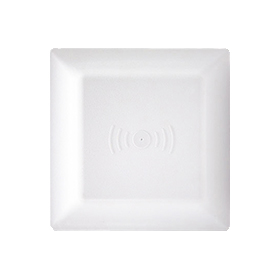
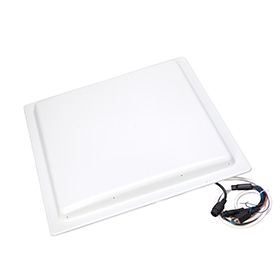
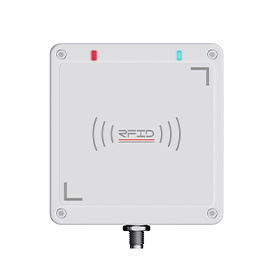
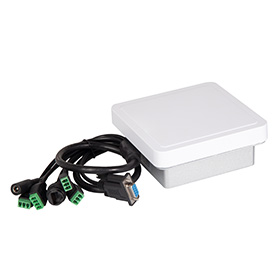
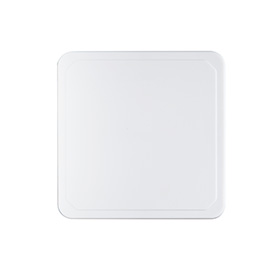
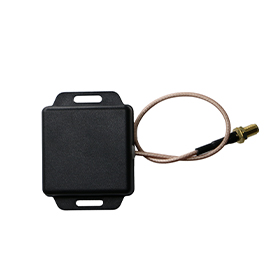
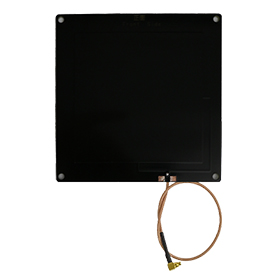
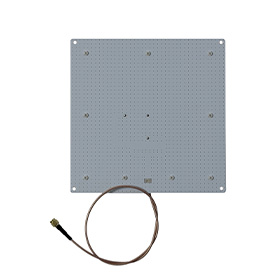
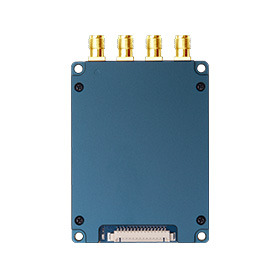
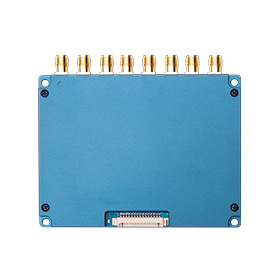
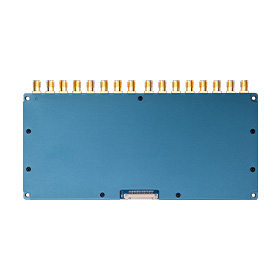
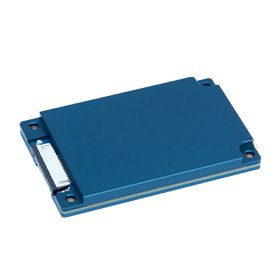
RFID Readers
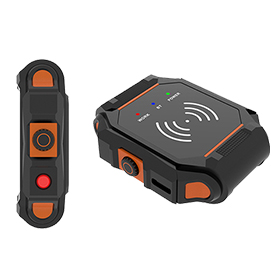
Readers capture data from RFID tags and transmit it to the software platform.
Typical reader types include:
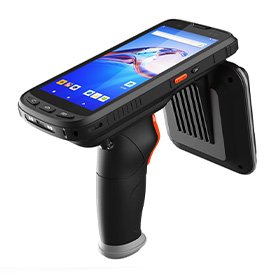
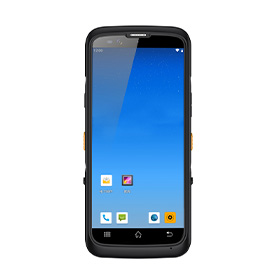
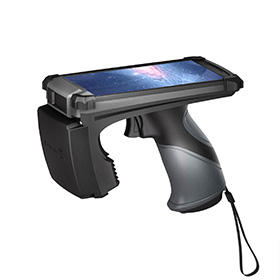
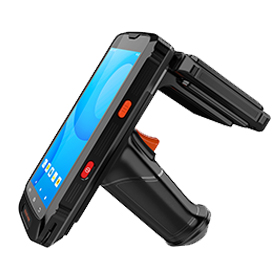
- handheld RFID scanners
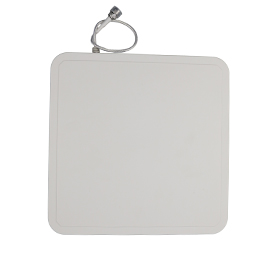
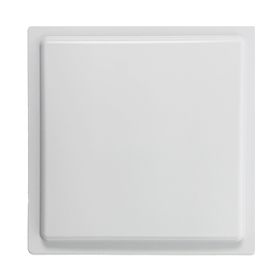
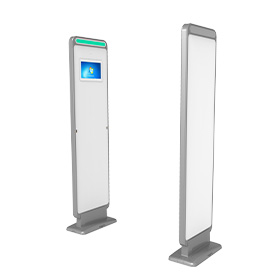
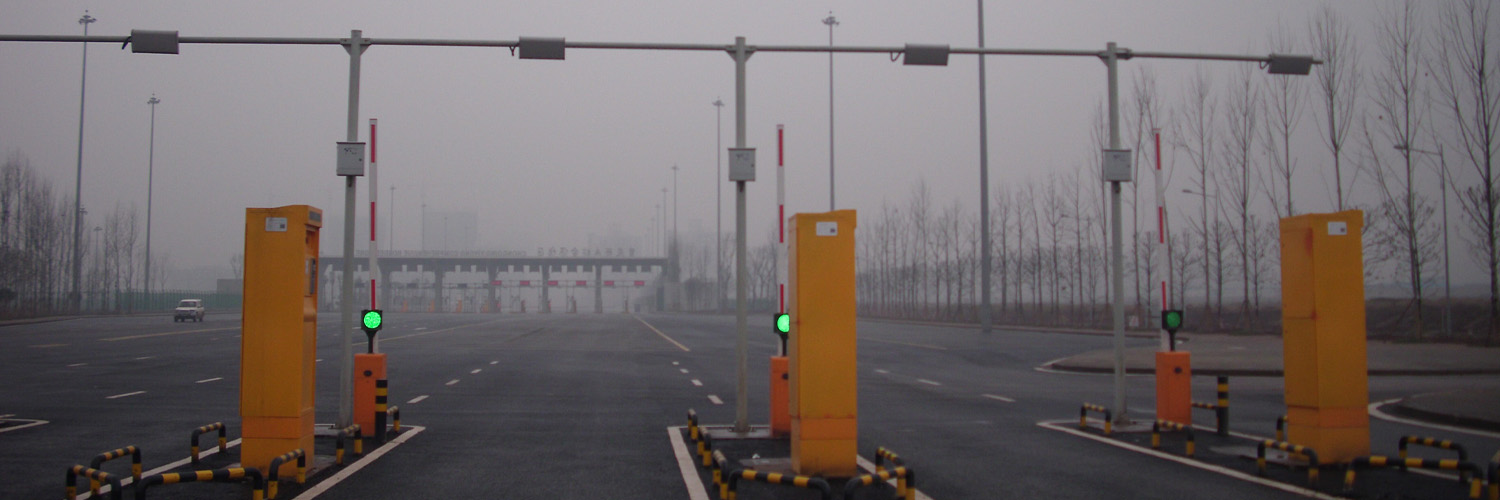
- fixed readers at warehouse gates
- ceiling-mounted readers
Strategic placement of readers allows automatic inventory tracking during movement.
RFID Inventory Management Software
The RFID inventory management software integrates RFID data with warehouse operations.
This software enables:
- inventory monitoring
- automatic stock updates
- shipment verification
- analytics and reporting
Many systems integrate directly with ERP platforms such as SAP or Oracle.
Benefits of RFID for Warehouse Management
Implementing RFID for warehouse management provides several significant operational advantages.
Improved Inventory Accuracy
RFID systems can achieve inventory accuracy above 99%, significantly reducing stock discrepancies.
Faster Inventory Audits
Traditional inventory counting can take hours or days. RFID scanning allows warehouses to complete inventory checks in minutes.
Labor Cost Reduction
Automated scanning reduces the need for manual barcode scanning and paperwork.
Real-Time Inventory Visibility
Warehouse managers gain real-time insights into inventory levels and product movement.
Better Supply Chain Efficiency
Accurate inventory data improves order fulfillment and reduces shipping errors.
Common Applications in Warehouse Operations
RFID technology is widely used across different warehouse processes.
RFID Pallet Tracking
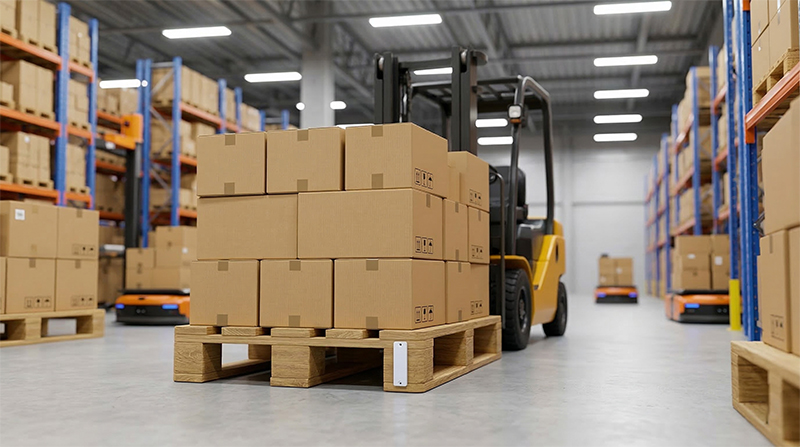
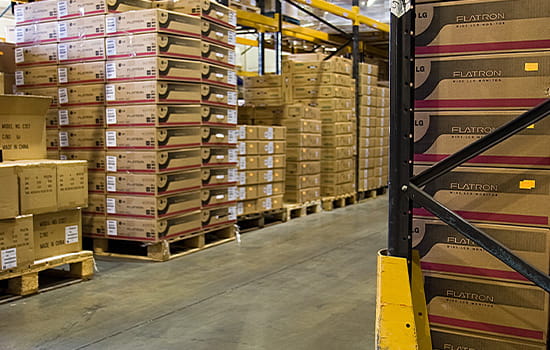
warehouse pallet tracking RFID
One of the most common applications is RFID pallet tracking.
By attaching RFID tags to pallets, warehouses can:
- track pallet location
- monitor pallet movement
- automate pallet loading verification
This is particularly useful in logistics hubs and large distribution centers.
Inventory Automation
RFID systems automatically record inventory movement during receiving, storage, and shipping.
This reduces manual scanning and improves operational speed.
Asset Tracking
Warehouses also use RFID tags to monitor equipment such as forklifts, containers, and returnable transport items.
How to Implement an RFID Warehouse Inventory Management System
Successful RFID deployment requires careful planning.
The typical implementation process includes several steps.
Step 1: Define Use Cases
Identify the operational challenges RFID should solve, such as inventory accuracy or pallet tracking.
Step 2: Select RFID Hardware
Choose appropriate tags, readers, and antennas based on warehouse layout and materials.
Step 3: Integrate Software
Connect the RFID inventory management system with the existing WMS or ERP platform.
Step 4: Pilot Testing
Start with a small-scale pilot project to validate performance.
Step 5: Full Deployment
Once the system is optimized, roll it out across the warehouse.
Proper planning ensures maximum ROI from RFID technology.
RFID Warehouse Management System Cost
The cost of an RFID warehouse management system varies depending on several factors.
Typical cost components include:
RFID Tags
Passive RFID tags typically cost:
- $0.10 – $0.50 per label tag
- $1 – $5 for durable industrial tags
RFID Readers
Reader hardware typically costs:
- $800 – $3000 for fixed readers
- $1000 – $3000 for handheld readers
Software
RFID inventory management software pricing varies widely depending on features and integration requirements.
System Integration
Integration and deployment costs often represent the largest portion of the project budget.
Although the initial investment may be significant, RFID systems often deliver ROI through labor savings and improved inventory accuracy.
Choosing the Right RFID Tags for Inventory Tracking
Selecting the right RFID tag for inventory management is critical for system performance.
Consider the following factors:
Warehouse Environment
Metal shelves or containers require specialized on-metal RFID tags.
Read Range
Different applications require different reading distances.
Tag Durability
Industrial environments may require tags that resist heat, chemicals, or impact.
For example, rugged RFID tags designed for warehouse equipment and pallets can withstand harsh conditions and maintain reliable performance.
Future Trends of RFID in Warehouse Automation
RFID technology continues to evolve alongside digital supply chains.
Key trends include:
- AI-driven inventory analytics
- integration with IoT platforms
- autonomous warehouse robots
- cloud-based RFID management systems
As warehouses move toward full automation, RFID will remain a foundational technology for inventory visibility and logistics efficiency.
Conclusion
An RFID warehouse management system provides powerful tools for improving inventory accuracy, automating warehouse processes, and increasing operational efficiency.
From pallet tracking to real-time inventory monitoring, RFID technology helps warehouses operate faster and with greater precision.
As supply chains become more complex, businesses adopting RFID solutions gain a significant competitive advantage.
FAQ
What is RFID inventory tracking?
RFID inventory tracking uses RFID tags and readers to automatically identify and monitor items within a warehouse.
What is the difference between RFID and barcode systems?
Barcode systems require line-of-sight scanning, while RFID can read multiple tags simultaneously without direct visibility.
What are RFID tags for inventory tracking?
RFID tags are small electronic labels attached to products, pallets, or assets that store identification data.
How accurate is an RFID warehouse system?
Many RFID warehouse inventory systems achieve over 99% inventory accuracy.
Is RFID expensive for warehouses?
The cost varies depending on system size and hardware requirements, but many warehouses achieve strong ROI through improved efficiency.
 Prev
Prev